Meet the people who make up STEM Faculty.

Professional biography
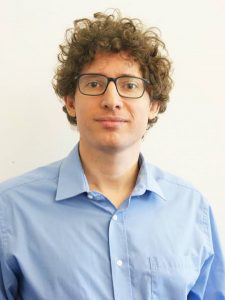
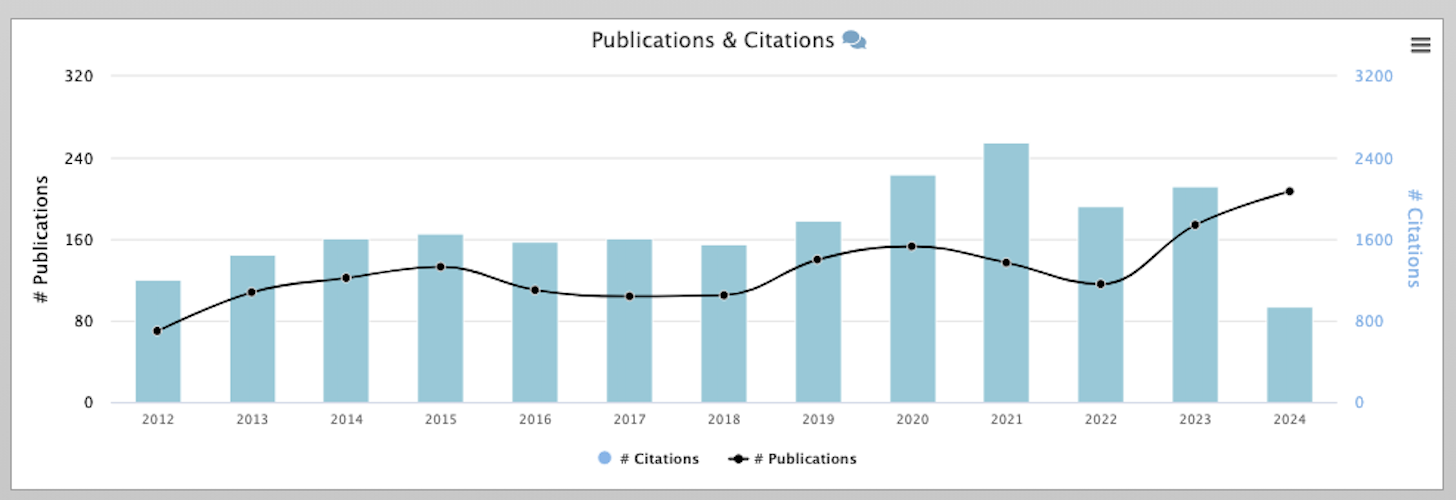
I am a Senior Research Fellow at the Knowledge Media Institute of The Open University (UK), where I lead the Scholarly Knowledge Mining (SKM) team. In the last few years, I have ranked among the top 0.3% most cited researchers in the United Kingdom in the field of Computer Science (source: SciVal 2022–2026).
The SKM team is internationally recognised as a leading research group in applying AI to analyse and support scientific research. In recent years, its focus has expanded to the intersection of generative AI and knowledge graph technologies, exploring applications across diverse domains such as scientific research, media analysis, big data, financial market analysis, education, astronomy, and tourism. We collaborate with a number of commercial organisations (e.g., Springer Nature, Elsevier, Microsoft, Digital Science), non-profit organisations, and universities.
Research interests
My primary research interests cover Artificial Intelligence, Information Extraction, Knowledge Graphs, Science of Science, Semantic Web, Research Analytics, and Semantic Publishing. I have authored over 170 peer-reviewed publications in top-tier journals and conferences within AI and semantic technologies, including Artificial Intelligence Review, Neurocomputing, Journal of Big Data, Future Generation Computer Systems, Knowledge-Based Systems, Engineering Applications of Artificial Intelligence, Technological Forecasting and Social Change, the Semantic Web Journal, ISWC, ESWC, and WebConf.
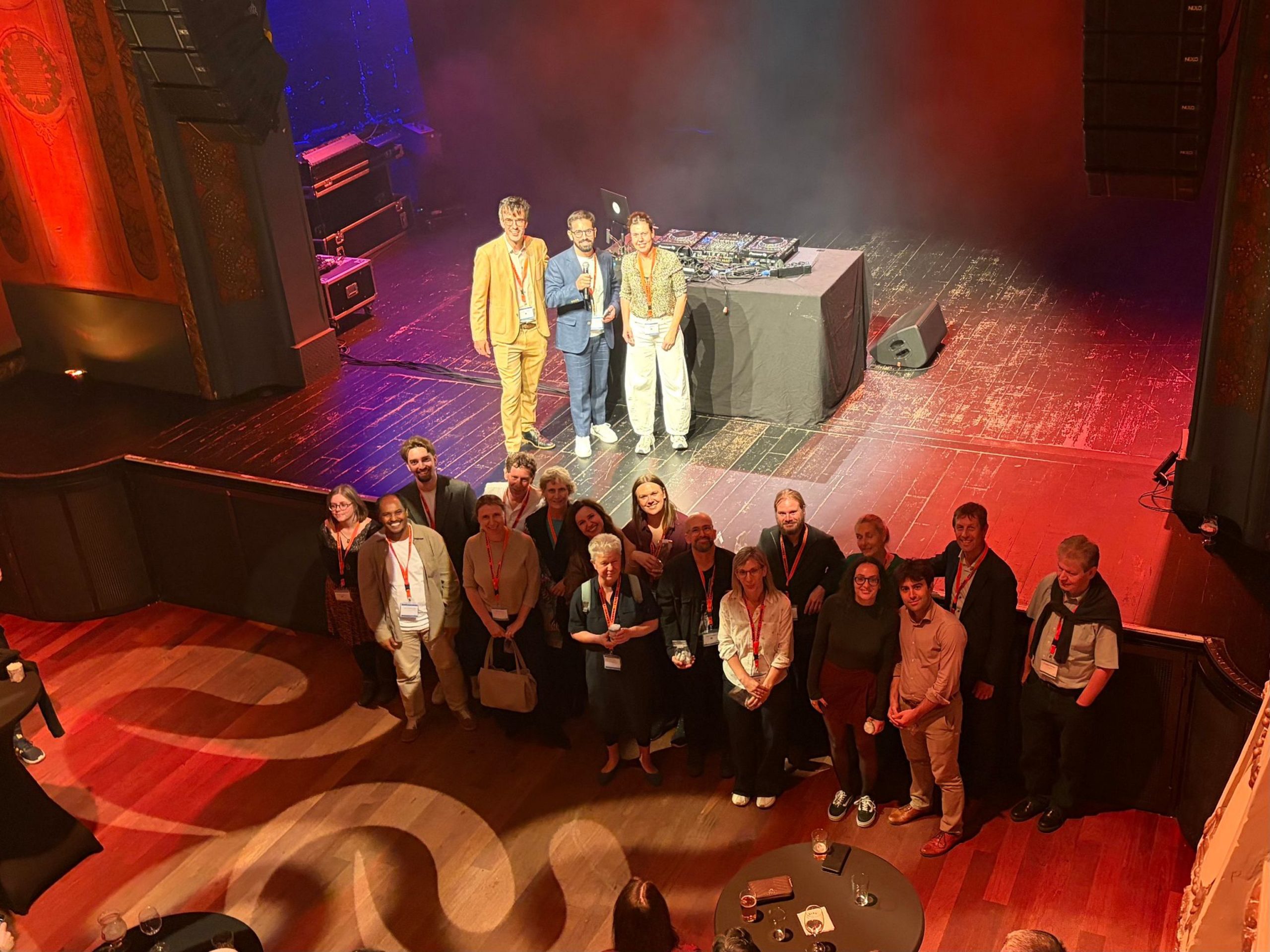
I have been recognised with several awards, including the Best Paper Award at the International Conference on Knowledge Engineering and Knowledge Management 2024, the Best In-Use Paper Award at the International Semantic Web Conference 2022, the Best Demo Award at the International Semantic Web Conference 2020, and the Semantic Publishing Award at the European Semantic Web Conference 2014.
I regularly organise scientific conferences and special issues. Most recently, I served as Program Chair for SEMANTICS 2026, Proceedings Chair of ESWC 2026, chaired the Industry Track at ISWC 2024, and acted as a guest editor for a special issue of the Semantic Web Journal. Additionally, I am a member of the Editorial Board of the Journal of Web Semantics and the Data Intelligence Journal. Over the years, I have organised more than 20 workshops at international conferences.
Impact and engagement
In 2025, I will serve as the Co-Investigator of the first UK project dedicated to exploring the use of large language models to support grant peer review. Additionally, I lead a project funded by Springer Nature focused on designing and developing AI services to assist editorial workflows, predict research dynamics, and inform editorial decisions. Furthermore, I collaborate with the Astronomy Department on developing advanced AI techniques to monitor and mitigate radiation damage in space telescopes as part of the Euclid Mission—a flagship project dedicated to exploring the dark universe.
Previously, I led the development of several innovative AI technologies and resources to support scientific research, metascience analysis, and academic publishing. I created the Computer Science Ontology (CSO, http://cso.kmi.open.ac.uk), a taxonomy of research topics which is an order of magnitude bigger than the most widely used alternative, the ACM Computing Classification, and has been adopted by Springer Nature and several other organisations for annotating scientific documents and educational material. Building on this work, I designed the Smart Topic Miner, a tool for automatically annotating scientific publications that has been in routine use at Springer Nature since 2016. This solution brought a 75% cost reduction and dramatically improved the quality of the annotations, resulting in 12M additional downloads from the SpringerLink portal. In 2020, my team produced the Academia/Industry DynAmics (AIDA) Knowledge Graph (http://w3id.org/aida), a knowledge graph that maps 25M publications and 8M patents to the relevant research topics and industrial sectors. In 2022, we released the Computer Science Knowledge Graph (http://w3id.org/cskg), a knowledge base that describes 25M methods, tasks, materials, and metrics automatically extracted from computer science articles.
In 2023, I published a highly influential survey paper on knowledge graphs, which has become one of the most cited works in this domain. In 2024, I launched several initiatives in the field of AI systems for automated literature reviews, producing in-depth analyses and providing key recommendations for future research.
External collaborations
I collaborate with a number of commercial organisations (e.g., Springer Nature, Elsevier, Microsoft, Digital Science, Figshare), non-profit organisations (e.g., OECD, CSET, FBK), and universities (e.g., Oxford, Cagliari, Trento, Karlsruhe Institute of Technology, Paris, Bologna, Vienna, and others). I am Visiting Professor at the Sorbonne Paris Nord University.